

Dezeen Jobs Top Companies 2026 has been revealed, including Grimshaw, Studio Gang and Beijing Shanfangzhu Art Design.
The inaugural list highlights companies making a positive impact across the architecture and design industry, with a focus on workplace culture, employee wellbeing and career development.
Entries were assessed by workplace and industry leaders Pip Jamieson, Marsha Ramroop, Tracy Brower, Lindsay Urquhart and Aliya Vigour-Robertson, and evaluated on values, diversity, environmental commitment, opportunities for development, work-life balance and employee benefits.
From Heyne Tillett Steel providing staff lunches four days a week to Sybarite's structured career pathways and Lucy Wood Architects' wellbeing initiatives, the list spotlights the companies setting new standards across the industry.
Read on for the full list:
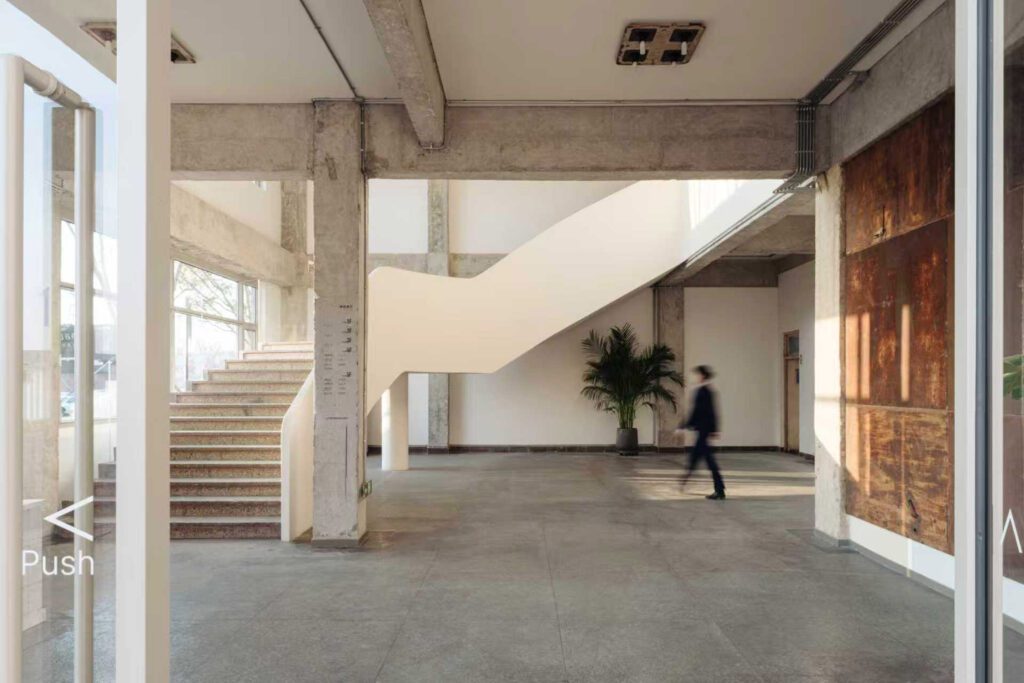
Beijing Shanfangzhu Art Design
Beijing Shanfangzhu Art Design was founded in 2010 and is based in Beijing, China. The studio of nine has a united design philosophy of "constructing spatial fields, shaping era memories".
The practice works across architecture, planning, landscape, interior and exhibition design, focusing on cross-disciplinary collaboration and projects that are centred around humanistic design principles that combine "function, aesthetics and humanity".
The judges lauded Beijing Shanfangzhu Art Design for its dedication to staff career development, in addition to its leave and wellbeing initiatives.
The practice has a dual-track career development system, providing employees with access to art research platforms, international exchange channels and museum resources.
In addition, its CAFA mentor system offers one-on-one guidance, alongside cross-disciplinary workshops and study trips.
The company has dedicated initiatives to support employee wellbeing, including fitness equipment, tea ceremony and meditation rooms. It also offers access to art therapy and mindfulness courses, annual free health check-ups and mental health consultation services in addition to a "cultural recuperation fund".
"What stood out to me was their focus on mentorship," said Jamieson. "Through their CAFA Mentor System, staff are connected with experts from the Central Academy of Fine Arts, which supports ongoing learning and professional development within the studio."
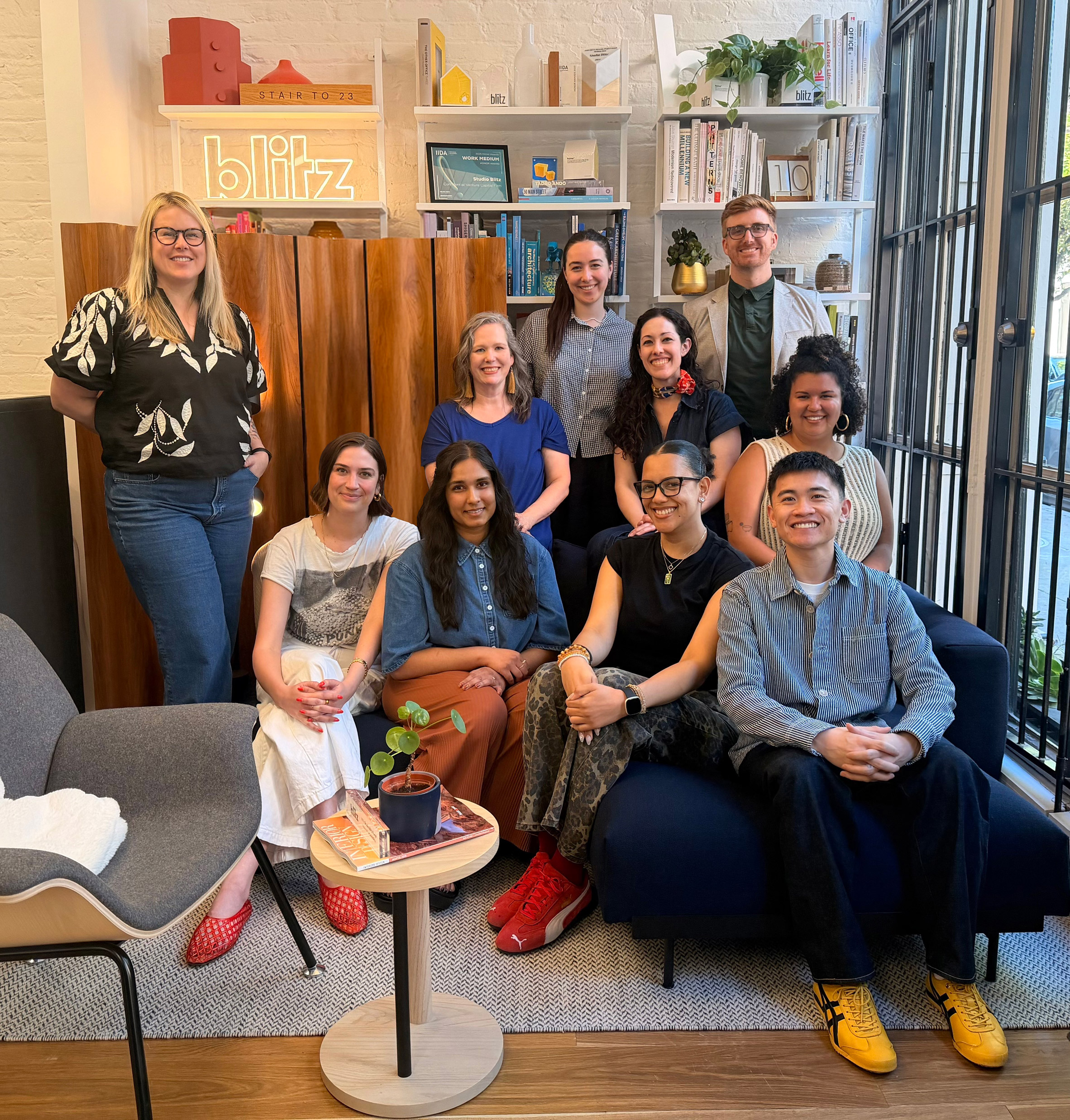
Blitz
San Francisco-based Blitz has a team of 27 staff and is built on a commitment to its people. The company intends to cultivate well-rounded designers who have ownership in their designs from the moment they become employees.
The studio takes pride in its staff's creativity, growth and wellbeing. It aims to foster a culture placing its people first, where talent is nurtured and respected.
The judges praised Blitz's compensation and benefits, alongside its equality, diversity and inclusion initiatives. The studio takes a thoughtful and data-driven approach to compensation. Each year, AIA benchmarking data is reviewed to ensure its salary ranges align with current industry standards.
Blitz also monitors competitor job postings to understand real-time market conditions and comparable roles, resulting in it offering higher salaries. It also offers development support, wellness initiatives, and opportunities for professional growth.
Staff receive fully paid health, dental, vision, and basic life insurance. After three months, employees are eligible to take part in its profit-sharing 401(k) programme, with the company matching up to 4 per cent of their salary.
The team is 63 per cent female, with leadership positions comprising 75 per cent women, which reflects the studio's ongoing commitment to gender balance and inclusive leadership.
"Blitz's approach to compensation is notable for its data-driven and transparent emphasis and its basis in business acumen, addressing a holistic total compensation package that ensures long-term financial impact for the firm and personal and professional security and wellbeing for employees," said PhD sociologist and author of Critical Connections, Brower.
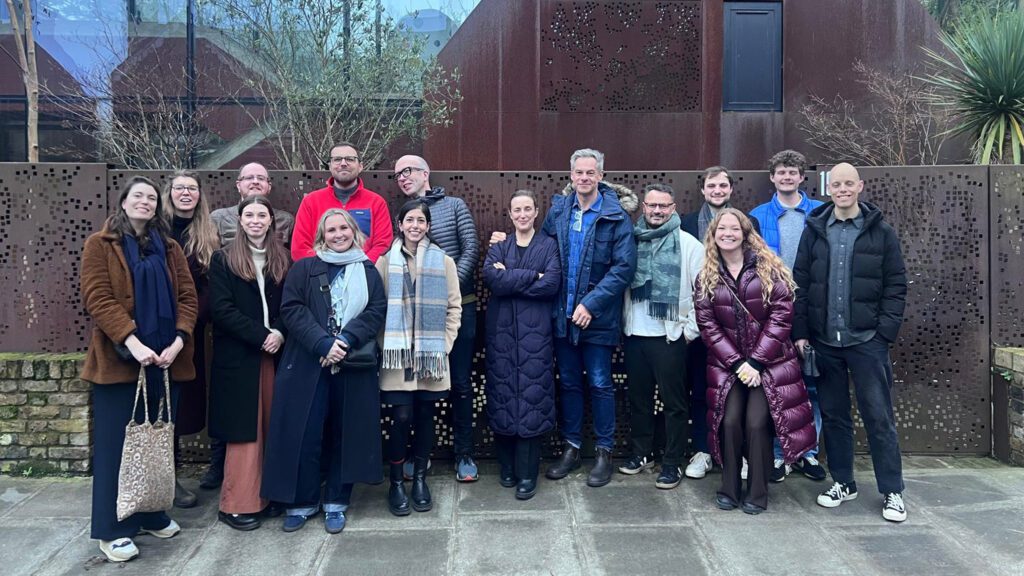
Cousins & Cousins
Founded in 2012, London-based Cousins & Cousins is a team of 20 people and works across architecture and interior design sectors, creating high-quality homes, flexible workspaces, and hospitality/co-live projects.
The judges praised the practice's fruitful career development opportunities, as well as its company culture. Staff development and progression are prioritised through a combination of structured learning, mentorship and ongoing professional support.
The company has a permanent non-compressed nine-day fortnight scheme. According to Cousins & Cousins, this has significantly improved energy, focus and long-term creativity. As a result, it contributed to an increase in turnover of 30 per cent last year.
Staff members have access to regular "lunch and learn" CPD sessions, with the aim of enhancing continual knowledge sharing and skills development within the studio.
Part 3 candidates also benefit from paid study leave, course fee funding and one-to-one mentorship, feedback and guidance from senior team members.
Across the studio, Cousins & Cousins also funds professional development courses, encouraging growth across both technical and leadership skills.
"It's encouraging to see a studio taking a thoughtful approach to sustainability across both its projects and its workplace, from focusing on lower-carbon design and responsible material choices to building a studio culture that prioritises staff wellbeing and long-term sustainability," said Jamieson.
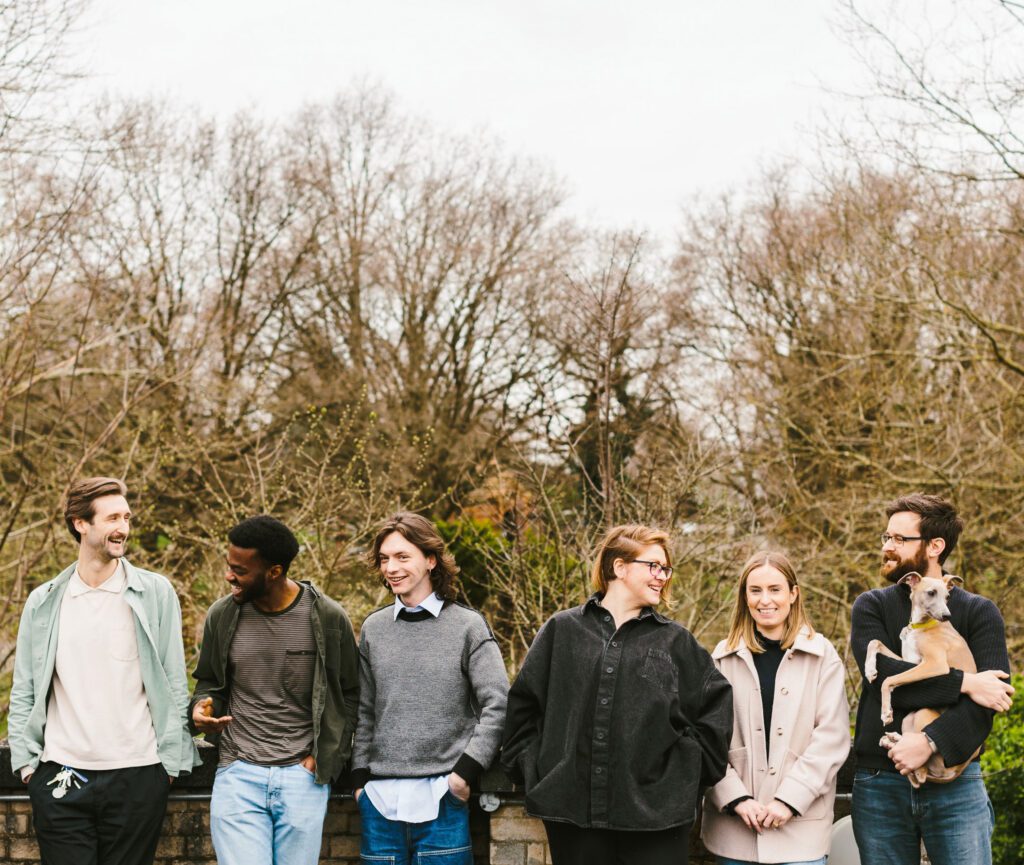
DO+CO
Launched in 2013, DO+CO is a part employee-owned architecture studio of seven based in Dulwich, London, which places sustainability, inclusion and care at the centre of its practice.
DO+CO said it rejects long-hours culture and instead strives to be a workplace with collaboration, trust and shared responsibility at its heart. Its goal is to design thoughtful, low-carbon buildings that prioritise wellbeing and long-term value.
As an employee-owned practice, decision-making is embedded across the studio, including strategic planning, design and research days.
The judges were impressed by its diversity initiatives alongside its leave and wellbeing policies, which go beyond UK statutory requirements. For adoption, maternity and shared parental leave, employees receive three months at full salary, followed by up to 26 weeks paid at twice the statutory maternity pay rate.
Annual leave increases by one day per year of service, up to 30 days excluding bank holidays. It also operates an annual winter closure of approximately five to seven working days.
The practice has a particular interest in socio-economic diversity, ensuring the profession is represented from working-class backgrounds.
"DO+CO's approach to equality and diversity is nothing short of incredible," said Brower. "Despite being a small organisation, they have approached equality and diversity with an emphasis on systemic, structural solutions as well as a comprehensive view of diversity."
"They are also notable for prioritising equality and diversity in hiring, internal practices and even external relationships," she added.
Donald Insall Associates
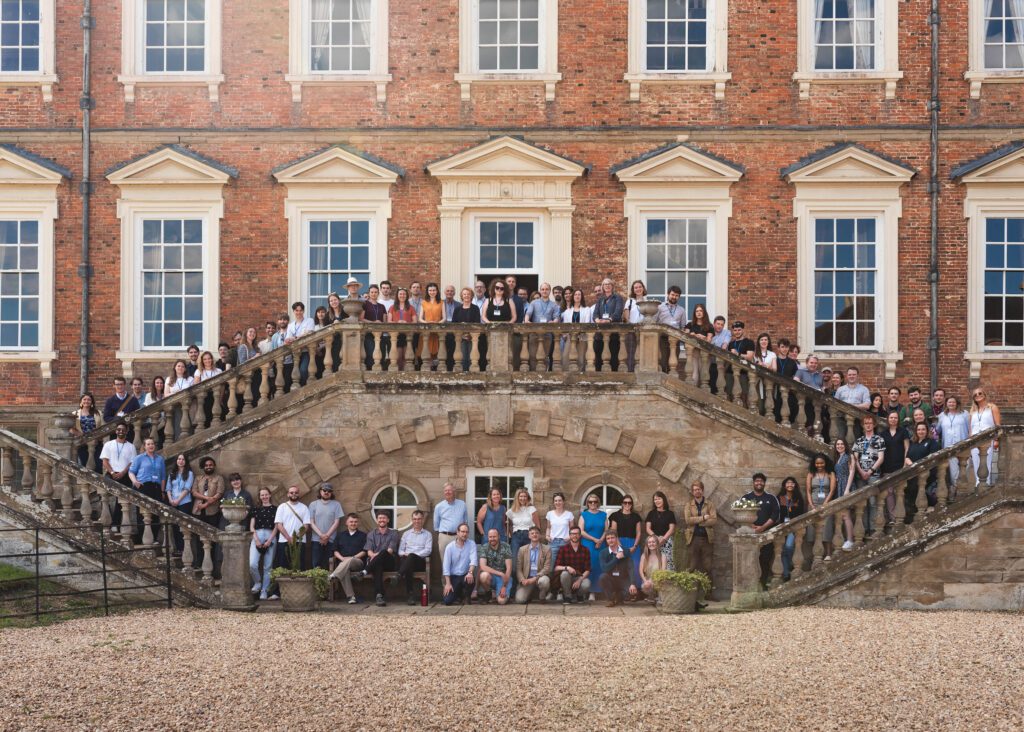
Employee-owned practice of 125 staff, Donald Insall Associates has seven offices across the UK and is rooted in how conservation can ensure the historic environment is protected, yet evolves.
It has a collaborative approach to conservation and heritage consultancy with a passion to unite its knowledge and a shared vision to create solutions that serve partners, communities and clients.
The judges pointed to the social and environmental impact of the practice, alongside its values. It is working towards achieving net-zero by 2045 and received SBTi validation for this commitment last year.
Staff are trained in broader net-zero climate literacy, with 25 per cent of staff trained in specialised energy efficiency techniques. The practice's current governance requires all projects to complete an environmental design checklist to ensure all staff consider appropriate sustainability risks and opportunities.
Development across the company is clear and structured, with annual one-to-one appraisals, CPD pathways, and apprenticeships. Wellbeing is also proactive with a team of mental health first aiders, employee assistance programmes, menopause support and flexible working options.
"The Donald Insall Associates entry was broadly very solid," said Ramroop. "They scored particularly strongly on social and environmental responsibility by outlining what they were doing, why they were doing it, how it compared with externally verified data points and what the impact has been."
"There was a robust thread of clear values throughout the entry and a distinct emphasis that supporting their people to be inclusive and sustainable results in outputs that are inclusive and sustainable," added Ramroop. "For these reasons, it was an enjoyable job to score this studio highly."
Eckersley O'Callaghan
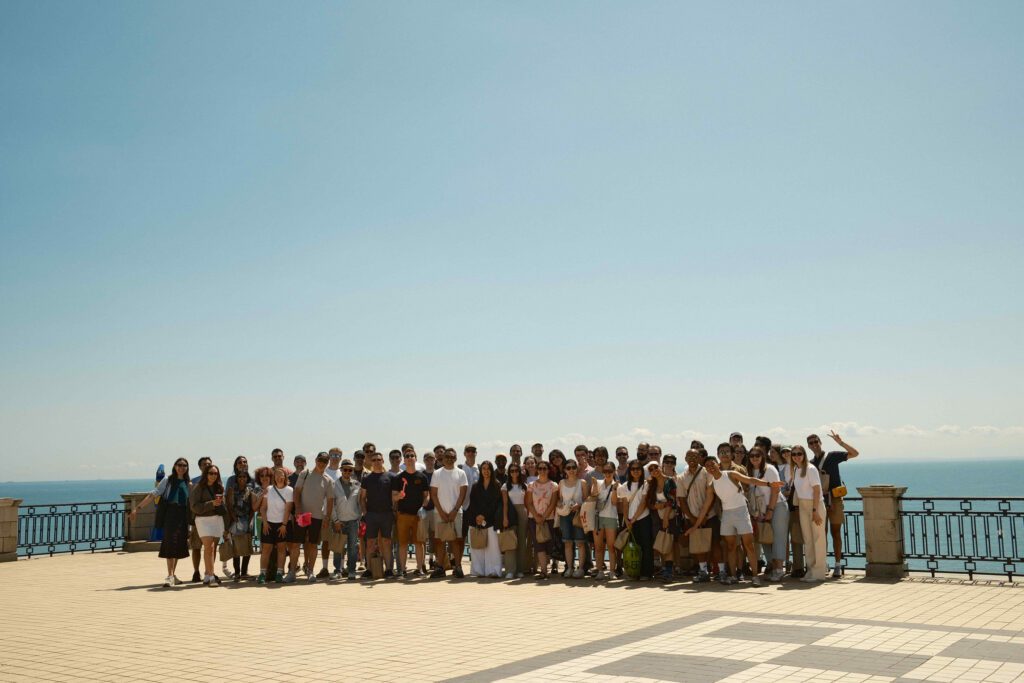
With over 130 staff, engineering firm Eckersley O'Callaghan (EOC) combines engineering excellence with a commitment to its people, sustainability and innovation.
With 11 global offices, including Milan, Hong Kong and New York, the practice delivers complex projects at any scale while embedding its values of curiosity, imagination and collaboration into every design.
The judges praised the company for its social and environmental strategies alongside its career development progression.
Hybrid working, flexible policies, wellbeing initiatives, equity, diversity, and inclusion are central to its operations. The practice places importance on professional development and offers an average of 66.5 training hours per employee annually, as well as mentoring.
Early career professionals benefit from clear pathways, internships and apprenticeships, while all staff have the opportunity to engage with research and development.
EOC also has a systematic approach to social and environmental responsibility, which is guided by its 10-point climate action charter. Its EOC ECO2 database tracks emissions to ensure projects meet stringent sustainability standards.
"It's great to see a studio that has built flexible working into how it operates, with a hybrid model that balances time in the office with working from home, flexible start and finish times, and a policy that allows staff to request different working patterns," said Jamieson.
Fununit Design & More
Based in Hangzhou, China, Fununit Design & More is a practice of 10 designers and architects fuelled by the stance that good design can empower people and the environment.
The studio has adopted a co-creation model, where every designer is engaged in decision-making across the company. According to Fununit Design & More, it places importance on unlocking its staff's potential and responds to their opinions and input.
The judges applauded its working arrangements in addition to its social and environmental sustainability initiatives. The studio offers flexible work arrangements, ranging from hybrid work models to flexible hours and remote collaboration.
Employees can choose to work remotely for up to three days per week, arrange their working hours outside core hours autonomously, and are also supported for phases of fully remote work. The practice added that these arrangements significantly enhance work autonomy and work-life balance, boosting both employee happiness and project innovation.
Fununit Design & More has targets of using 80 per cent of recyclable materials in projects and operational carbon neutrality by 2030. The company provides pro-bono design services annually for educational and non-profit organisations.
It has also implemented a diversified procurement policy, actively supporting minority-owned businesses and local artisans, using design to promote social equity and maximise positive social impact.
"It was great to see Fununit Design & More offering an exceptionally progressive, flexible working model that balances autonomy with collaboration," said Vigour-Robertson. "Employees can choose two to three remote days each week, shape their hours outside core times, and even take periods of fully remote work, all of which significantly enhance work–life balance and creative flow."
"By combining this flexibility with regular in‑person creative sessions and strong remote‑collaboration tools, the company of 10 people maintains team cohesion while empowering individuals to work in the ways that suit them best," she added.
Grimshaw
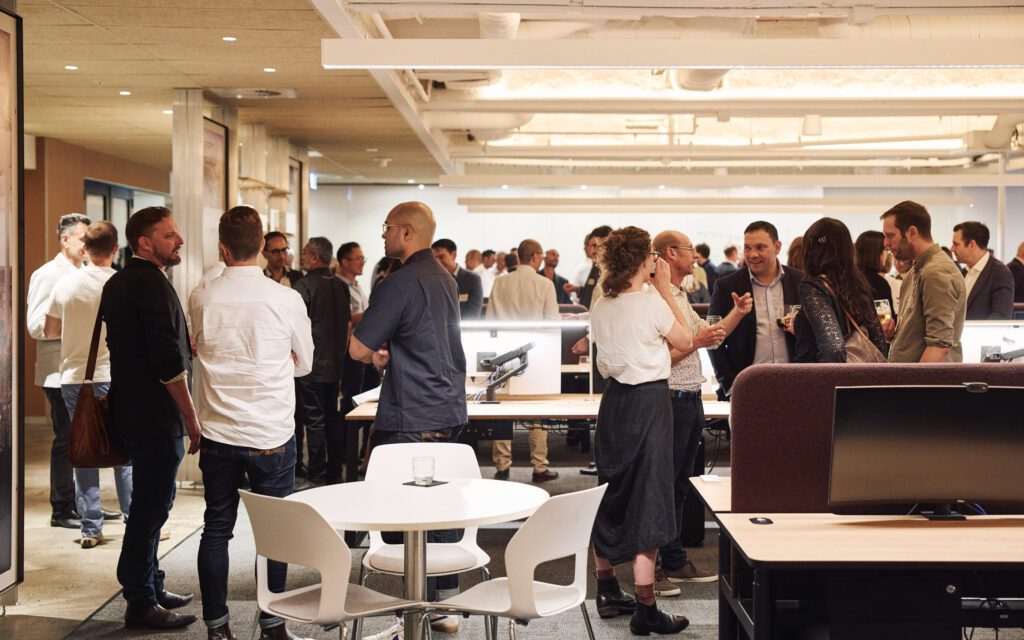
With eight international studios, Grimshaw is a practice of 455 people, which prides itself on being a place where its people are invested in, trusted early and stay for the long term.
Across the year, it aims to invest in up to 52 hours of structured training per employee, with clear progression pathways, in addition to profit sharing. These commitments support progression and continuity, where 10 per cent of its workforce has over 10 years' service.
The judges praised Grimshaw for its social and environmental sustainability efforts, alongside its equality and social responsibility commitments.
Since 2020, it has operated as a carbon-neutral business and has committed to delivering net-zero-ready buildings. It aims to deliver socially and environmentally regenerative buildings and infrastructure by 2030.
The company also supports the Grimshaw Foundation, which was set up by Nicholas Grimshaw in 2022 as an independent charity organisation. It has since supported 500 young people from disadvantaged backgrounds through creative programmes, education initiatives and career engagement.
"Grimshaw's impact in the area of social responsibility is not only impressive but also transformative, based on both their commitment within the practice and in what they're designing and building for clients," said Brower.
"Their contribution to the community and associations is also notable because of the collective impact they're making. And their foundation and volunteer work? Wow. Their effects are a very big deal."
Heyne Tillett Steel
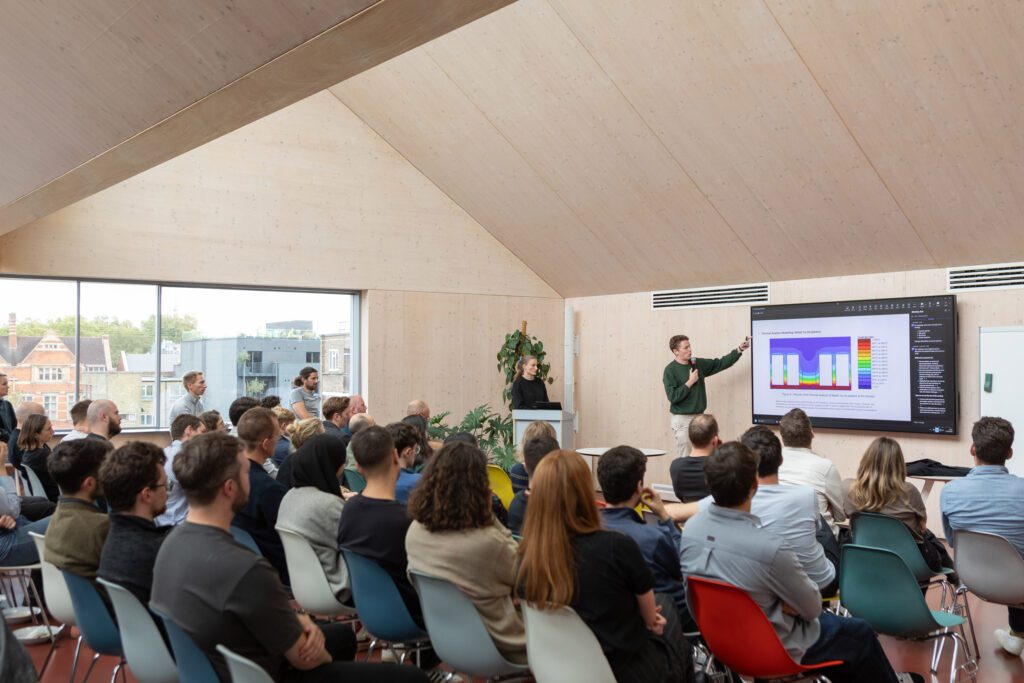
Heyne Tillett Steel (HTS) is an employee-owned engineering practice of structural, civil, transport and geotechnical engineers, as well as research engineers, scientists and software developers.
The company of 180 employees has a proactive company culture, with the judges applauding its benefits in addition to social and environmental policies.
Investing in its people is important to the practice, with HTS ensuring its salaries are competitive by benchmarking salaries twice a year against market rates.
The practice says it offers a generous bonus to all employees, which is split between a fixed percentage companywide bonus and an individual performance-based bonus.
All employees in its London office have lunch provided Monday to Thursday, with a chef coming in twice a week to cater healthy vegetarian meals. The Manchester team have a lunch allowance for the days they work in the office.
HTS also has a charity committee that organises many initiatives, such as annual donations to charities nominated by HTS staff, and championing volunteering days for all employees.
It supports young people in gaining access to the industry and works closely with educational trusts and charities, including Creative Dimensions, Coram, the Youth Careers Collective and Blueprint For All.
"Providing lunch for all employees Monday through Thursday, along with a chef preparing vegetarian meals twice a week, is incredibly generous," said Urquhart. "I also loved the idea of the January wellness week."
Islyn Studio
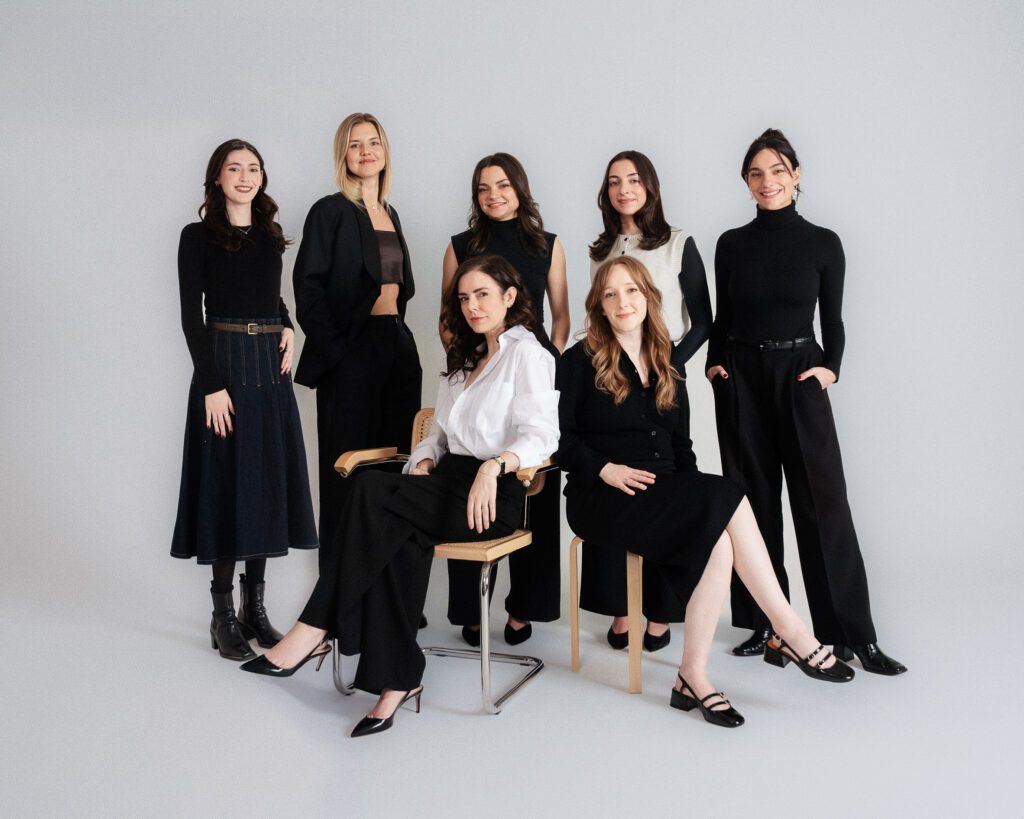
Brooklyn-based Islyn Studio is a team of 10 designers with the collective aim of changing the industry to become more caring and soulful.
Its all-woman team is dedicated to creating immersive, emotionally resonant spaces that are grounded in story and research. While their primary focus is on transforming traditional hospitality spaces such as hotels and restaurants, the studio's reach also extends beyond the expected to fertility care, veterinary medicine and corporate environments.
Islyn Studio rejects performative design culture and burnout, and instead invests in its team. It intends to be a place where longevity and creativity are core values.
The judges praised the studio's culture as well as its flexible working arrangements.
Islyn Studio encourages mentorship, career mapping, and transparent communication, supporting its team at every stage of their growth with a learning-driven environment. The studio is passionate about supporting women and elongating their careers to foster change in the design industry.
The practice offers a hybrid working model allowing employees to balance studio collaboration with remote work, supporting deeper focus and a healthier work-life balance. Schedules are designed to accommodate both family needs and personal commitments.
Flexible days, adjusted schedules, and work-from-anywhere policies during certain periods of the year enable employees to balance life and work. It also strives to accommodate half-day Fridays as often as possible.
"Islyn Studio's culture stands out because it is both clearly articulated and consistently evidenced in practice: a values-led studio where empathy, emotional intelligence, and respect for people and place shape how work is won, managed, and delivered," said Vigour-Robertson. "What's particularly compelling is the way leadership actively protects wellbeing – rejecting late-night culture, intervening early to prevent burnout, and even declining to re-engage clients whose working practices undermine the team."
"Combined with a structured commitment to mentorship and growth, this creates a workplace defined by psychological safety, sustained creativity, and unusually strong retention for a boutique design practice," she added.
LDA Design
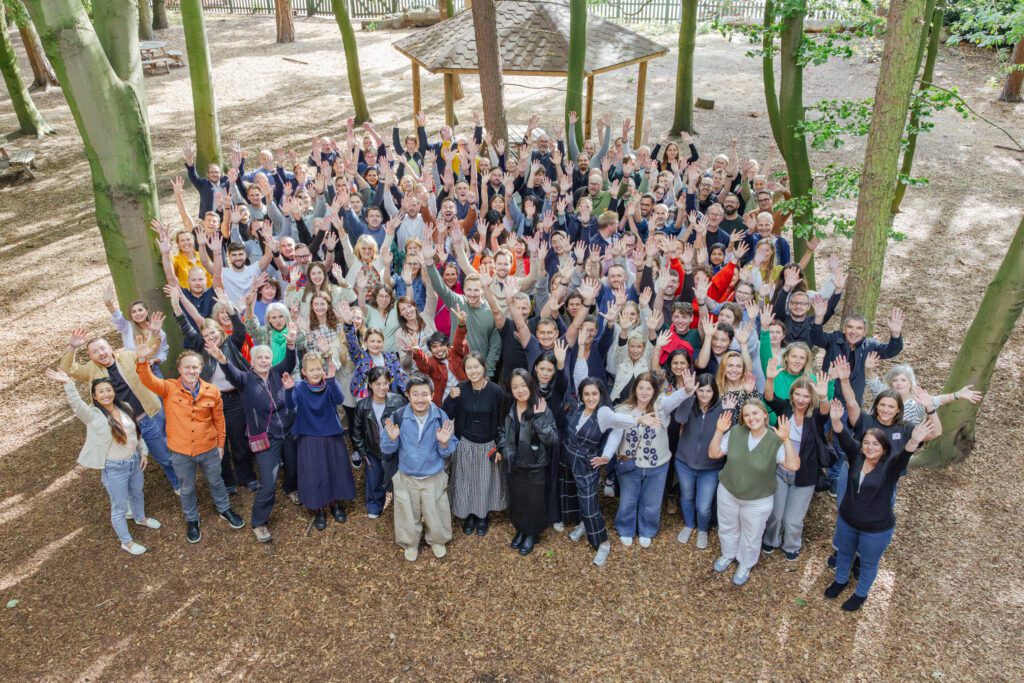
LDA Design is a placemaking consultancy made up of strategists, landscape architects, urban designers, planners and environmental consultants with the aim of shaping the world for the better. The team numbers 206 people across nine UK-based studios.
The practice is employee-owned, with each person across the studios having a say in how the practice is run and its direction.
LDA Design intends to be a nurturing, adventurous and purposeful place to work. It champions change that raises the quality of life whilst being mindful of the planet.
The Dezeen Jobs Top Companies judges pointed to LDA Design's culture and values in addition to its social and environmental responsibility initiatives.
According to the practice, it prioritises nature recovery, climate adaptation and resilience in every project and aims to become net zero by 2050. This includes the responsible procurement of locally sourced and environmentally conscious goods. It also places great importance on the social value of its work, providing opportunities to empower young people.
The company also has a committed mental health plan, which promotes a healthy work culture that aims to support its employee owners' work-life balance. There are 13 trained mental health first aiders, and each employee has a mentor.
"LDA Design's culture stands out because it is built on genuine employee ownership: everyone has a voice in how the business is run and shares in its success, creating high trust, transparency and collective accountability," said Vigour-Robertson.
"Guided by its charter and five values (People, Landscape, Innovation and ideas, Spirit, and Profit with purpose), LDA balances ambition with care, supporting flexible working, mentoring and wellbeing, while staying anchored to a clear mission to improve quality of life without harming the planet."
"The result is a nurturing, spirited and inclusive workplace where people feel welcomed, valued and empowered to do their best work, making LDA an exceptional candidate for Dezeen Jobs Top Companies 2026," she added.
Lucy Wood Architects
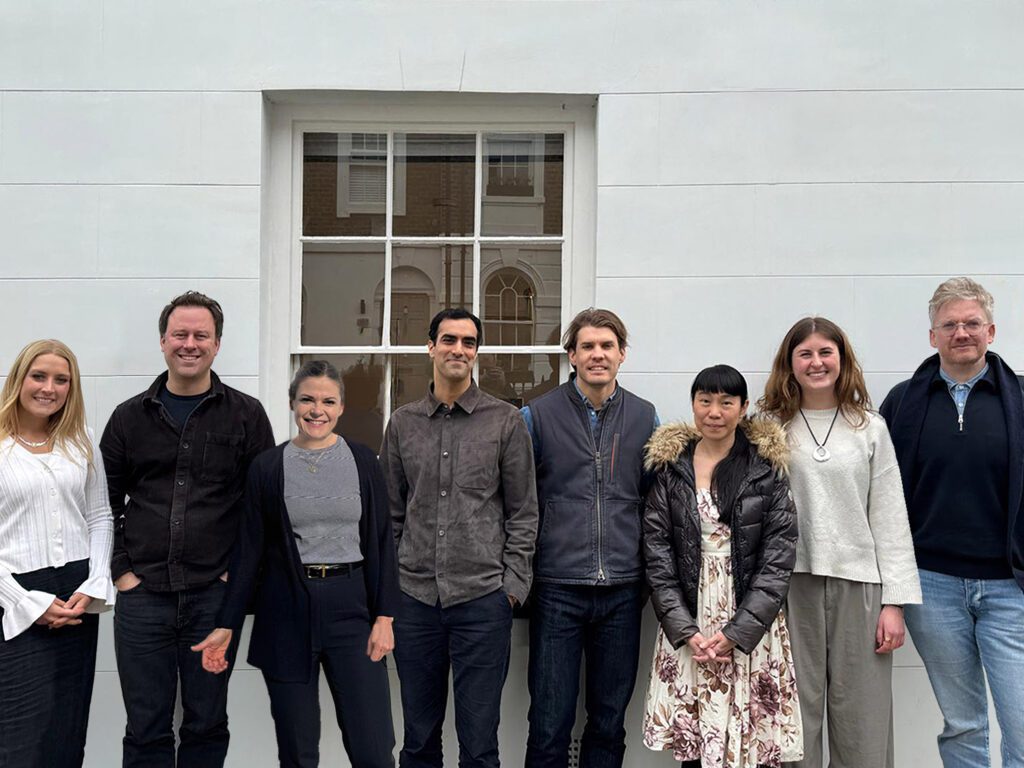
London-based practice of nine, Lucy Wood Architects, was established in 2018 and offers architectural services, together with interior architecture and project management.
The practice describes its office as "dynamic, hard-working, but also a happy, open and relaxed environment". It intends to be a kind, respectful, balanced workplace without compromising on success, profitability or efficiency.
The judges lauded Lucy Wood Architects for its company values, flexible working and wellbeing policies. Each employee has a dedicated one-to-one hour each week with director Lucy Wood, to offer support and guidance.
The company also supports generous continuing professional development (CPD) courses and training to encourage personal and professional growth.
"Lucy Wood Architects clearly demonstrated with their approach to leave and wellbeing that you don't have to work all the hours to be a vibrant and well-run practice," said Ramroop. "By looking at the wellbeing of their people, they visibly understand that when you value people as assets that you invest in, rather than costs you try to minimise, the productivity of those people supports great business outcomes."
"Its generosity in approach is reciprocated by the commitment of the people," Ramroop added. "It's smart, effective, and worthy of a high-scoring entry."
Mamama
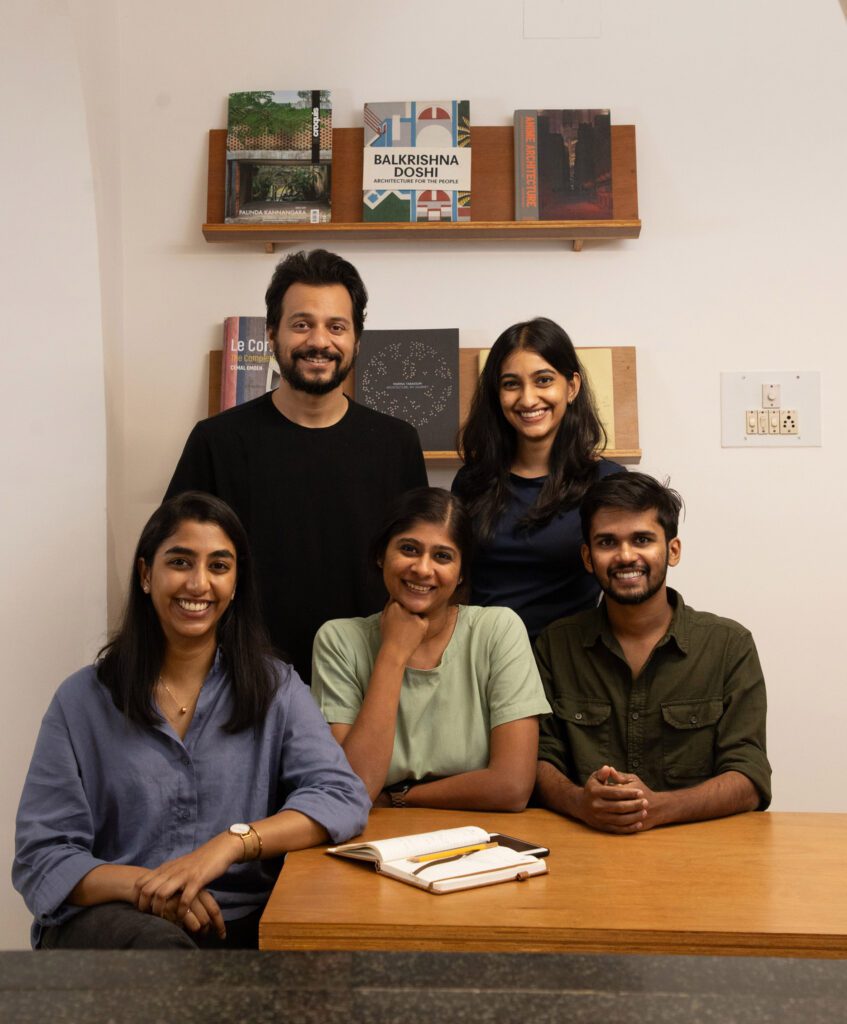
Indian architecture practice Mamama is based in Bangalore, India. The studio aims to design thoughtful buildings while shaping and supporting well-rounded professionals.
The practice was built on the values of thoughtful design and a positive studio culture, which isn't burdened by overwork or toxic working environments.
The judges applauded Mamama's flexible working arrangements, leave and wellbeing policies. According to the studio, strict boundaries with clients are maintained, and it follows a no-overtime, no-weekend policy to ensure an 8.5-hour workday is consistently upheld. Work-from-home is allowed with prior approval.
It has a generous leave scheme, and team members are also entitled to a year-end break, menstrual leave, and mental health leave. The practice also accommodates medical, parental, sabbatical and study-related leave, including extended breaks for employees preparing for higher education.
"Mamama is a small but well-formed unit, which is very perceptive about how organisational values shape business outputs," said Ramroop. "The clarity that they have centred humanity, which, in their words 'reject the exploitative norms long embedded in Indian design practice' is brave in the cultural context, making their dedication to better ways of working all the more impressive."
"The words they use to emphasise the importance of how they work being integral to the work they produce is heart-warming, role-modelling and powerful," added Ramroop. "Most importantly, they recognised that great culture is not a static position but one that’s evolving, and they know they need to be vigilant about responding to it."
Orms
London-based Orms is an employee-owned practice of 117 people with a values-driven business model.
Since becoming employee-owned in 2018, it has added democratic collaboration and measurable sustainability goals across all projects and workplace decisions.
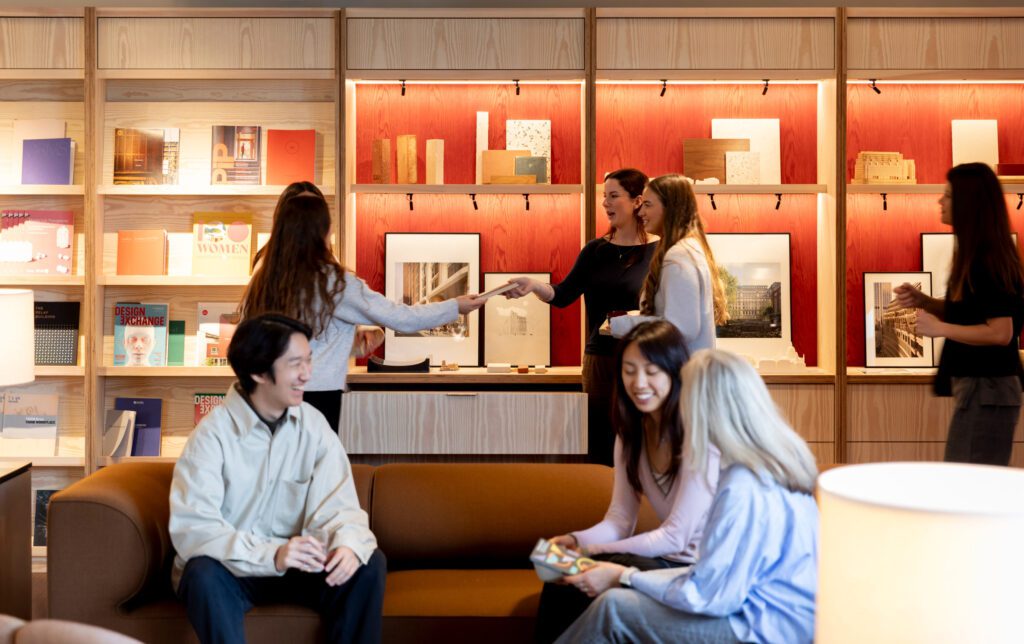
The practice remodelled its office at 160 Old Street to support flexible working, neurodiversity and wellbeing. This includes adding quiet rooms, varied collaboration spaces and hybrid working options to ensure its office reflects its inclusive design values.
The judges praised the practice's social and environmental sustainability initiatives in addition to its culture.
It is B Corp-certified and has set a Science Based Targets initiative (SBTi) commitment.
The practice contributes to cross-industry collaboration, including LETI guidance on non-domestic retrofit, circular economy, UK Net Zero Building Standard, and various UKGBC guidance.
The practice also monitors its social impact annually, hosting placements for sixth-form students and Part 1 students. It also has a wellbeing team and additional paid parental enhancements, which point to a culture of care and progression
"I'm impressed with Orms' company culture and value as they 'put people at the heart of the narrative'," said Brower. "The clarity of their three pillars is also formative in terms of innovation, collaboration and impact and the effects of these, which are measurable in terms of design, employee experience and collaborative growth."
"Their language of a 'garden of collaborators' says it all," she added.

Project London
Architecture practice of 25, Project London has offices in London and Dubai and aims to redefine residential architecture and design by blending creativity, precision and care.
Project London has a people-first culture where designers, architects and project managers are encouraged to grow within the company and are supported and trusted. There is no late culture, and its staff have responsibility from an early stage, which intends to create a strong sense of collective ownership and pride.
It invests in professional development, structured reviews and clear progression pathways so hard-working individuals thrive and feel valued.
The judges praised its culture and values in addition to its flexible working arrangements. The team works together in the office three days a week to support collaboration, design reviews and project coordination.
Employees are free to work from home twice a week, allowing quieter focus time, reduced commuting and flexibility around personal commitments.
Project London also organises at least one social outing each quarter, such as bowling and darts activities.
"I loved that enjoyment is central to their culture," said Urquhart. "They were one of the few submissions to highlight fun and enjoyment as part of the workplace, which really set them apart."
Ralph Appelbaum Associates
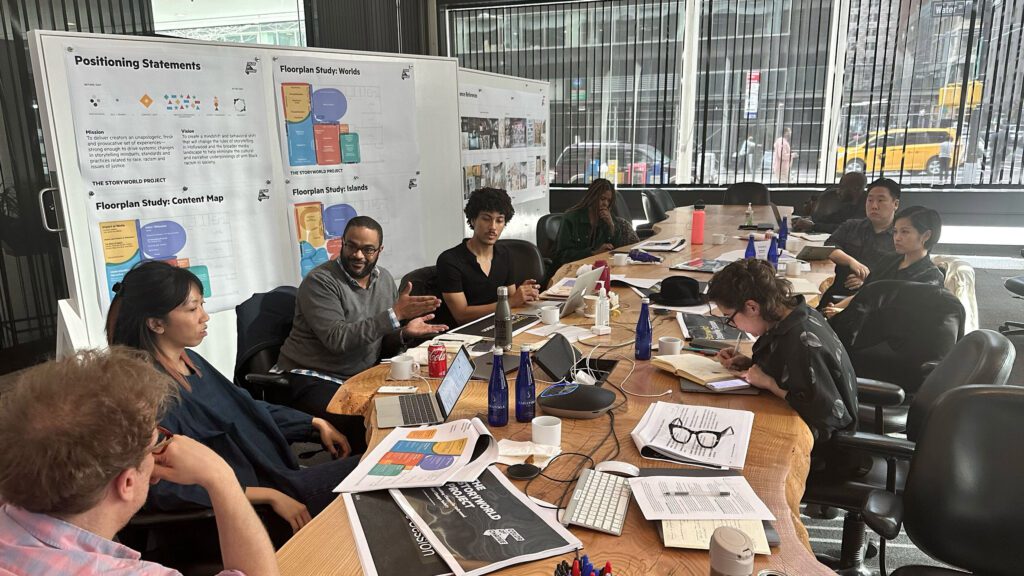
Ralph Appelbaum Associates (RAA) is a global practice that specialises in the planning and design of museums and narrative environments.
Its work aims to emphasise the importance of transformative public experiences for individuals, communities, cities, and nations, supporting societal change.
RAA's culture is defined by collaboration and transparency. RAA describes its talented cross-disciplinary team as its greatest strength, resulting in a rich working environment that places importance on shared learning and mentorship.
The judges praised RAA's company culture and values, as well as its flexible working arrangements. RAA offers a hybrid, remote-optional working model that allows employees to choose their work location each day, whether at home or in the studio. This nimble structure supports individual work styles, improving work-life balance while reducing commuting demands.
The practice also supports employee wellbeing through dedicated initiatives that prioritise mental and physical health. Full-time employees may take paid mental health days, known as "taking care" days.
"The opportunity for employees to choose their workplace each day is impressive," said Urquhart. "I also admire their ability to manage this, and keep teams connected no matter where they're working from, while maintaining high standards for creativity."
Studio Gang
Headquartered in Chicago with offices in New York, San Francisco and Paris, Studio Gang is an internationally recognised architecture and urban design practice founded and led by architect Jeanne Gang.
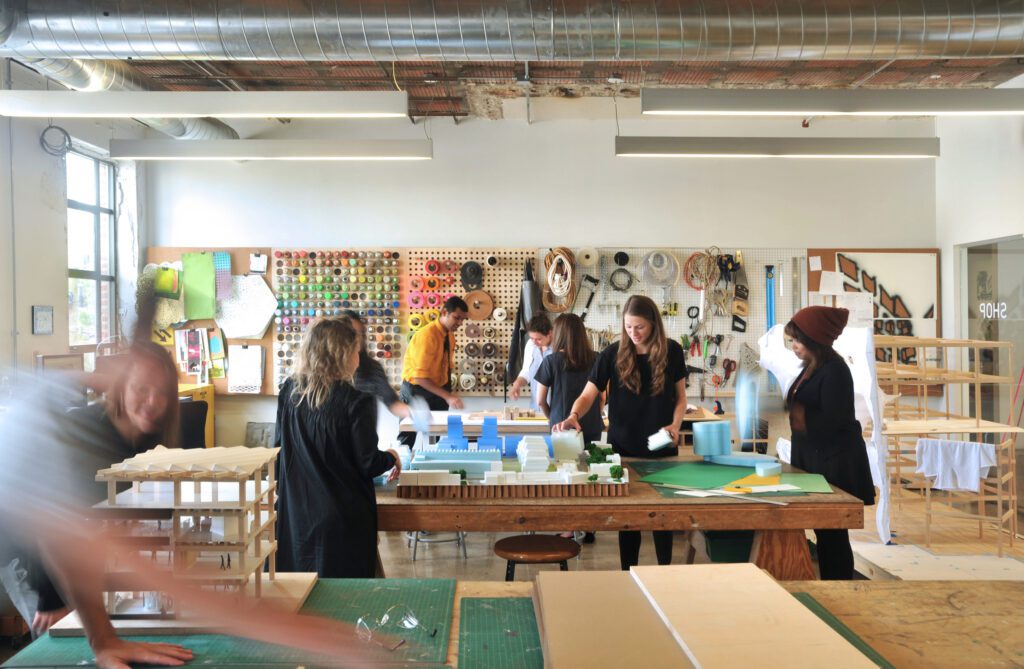
Working as a collective of over 100 architects, designers and planners, the firm uses an iterative, research-based design process to create places that strengthen relationships between people, communities and the natural world.
The firm realises innovative projects at multiple scales and across types through close collaborations with clients, expert consultants, and specialists from a wide range of fields beyond design, including ecologists and soil scientists.
The judges praised Studio Gang for its focus on staff career development and progression alongside its equality, diversity and inclusion initiatives. The firm offers a one-on-one mentorship pairing program to help designers navigate the studio and advocate for themselves and their career path.
It also has an Equity Action Task Force, a self-organised group of staff who meet regularly to assess, coordinate action, and share research that helps the office work toward greater equity in its projects and within the practice.
The firm also encourages active participation in civic life, organises field trips and site visits, opens its offices for tours and events, and supports learning both internally and externally.
In 2018, the firm challenged the status quo in professional practice by closing the gender wage gap within the firm. Jeanne Gang encouraged her peers to follow suit in a widely-circulated opinion editorial in Fast Company, which has since driven change across the industry.
Studio Gang has also implemented enhanced family leave policies. This ensures that individuals who become parents can continue to advance within the industry, which has been "a historically significant obstacle for women who become mothers, in particular," it said.
"I was really impressed by how Studio Gang approaches equity through a self-organised Equity Action Task Force made up of people from across the practice," said Jamieson. "It creates a clear way for staff at different levels to take part in shaping a more inclusive workplace."
Studio Malaqueen
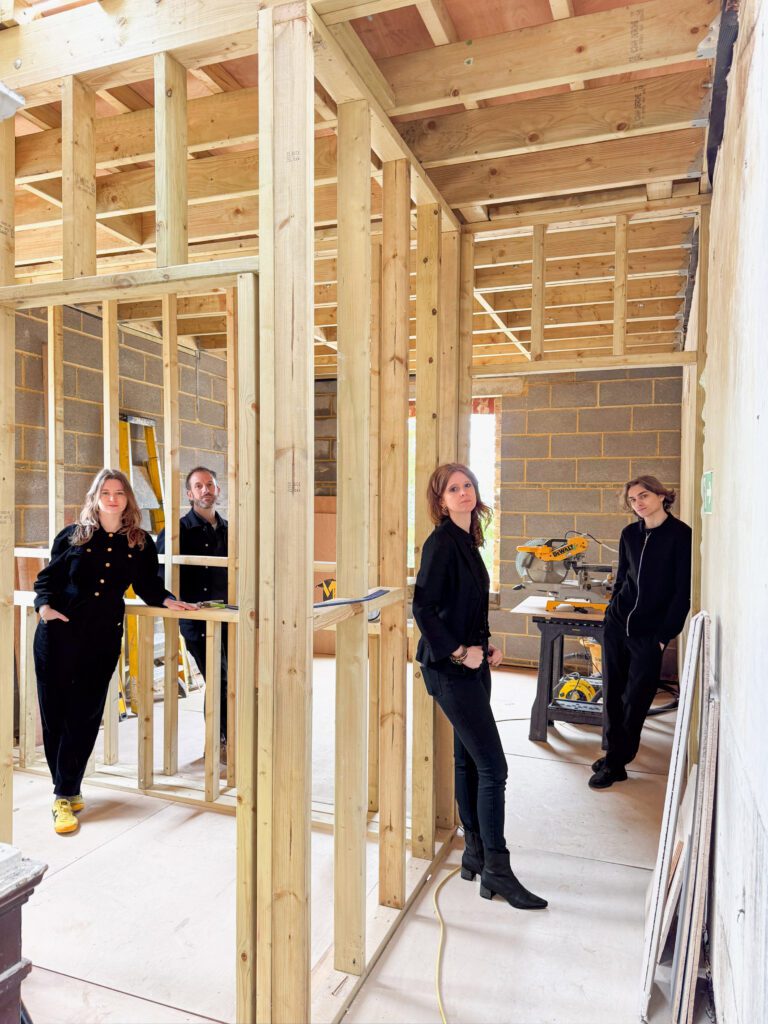
London-based Studio Malaqueen was founded in 2020 and is a team of four architects working on domestic and commercial architecture and interior design.
The practice was founded on the basis of creating a humane, flexible and purposeful working environment, and it intends to reimagine what a healthy and inclusive workplace looks like.
The judges praised its values and culture, in addition to its flexible leave and working arrangements.
The studio was founded in response to the challenges of parenthood within the industry. Its team works remotely as standard, with hours that can be adapted around family and personal commitments.
Some staff work four-day workweeks, and schedules have been adjusted to fit parents' needs. The studio says that this reduces stress and ensures that talented architects do not have to choose between professional ambition and personal responsibilities. This results in a supportive culture that encourages long-term retention.
"Studio Malaqueen combined flexibility, approach to inclusion and sustainability, and great articulation of their culture overall, to provide evidence of a well-run, aspirational, and role-modelling small practice, which has the foundations to develop into a larger one with all the right pieces in place," added Ramroop. "The structure around which they approach working life is one many others can learn from, and focusing on UN SDGs keeps them aligned with the wider world in which they operate."
"Thinking about 'the human' in the practice, as well as the one that they serve in design, whilst not forgetting the voice of the environment, made this a superb entry for these awards, and a worthy top company," she added.
studioDSK
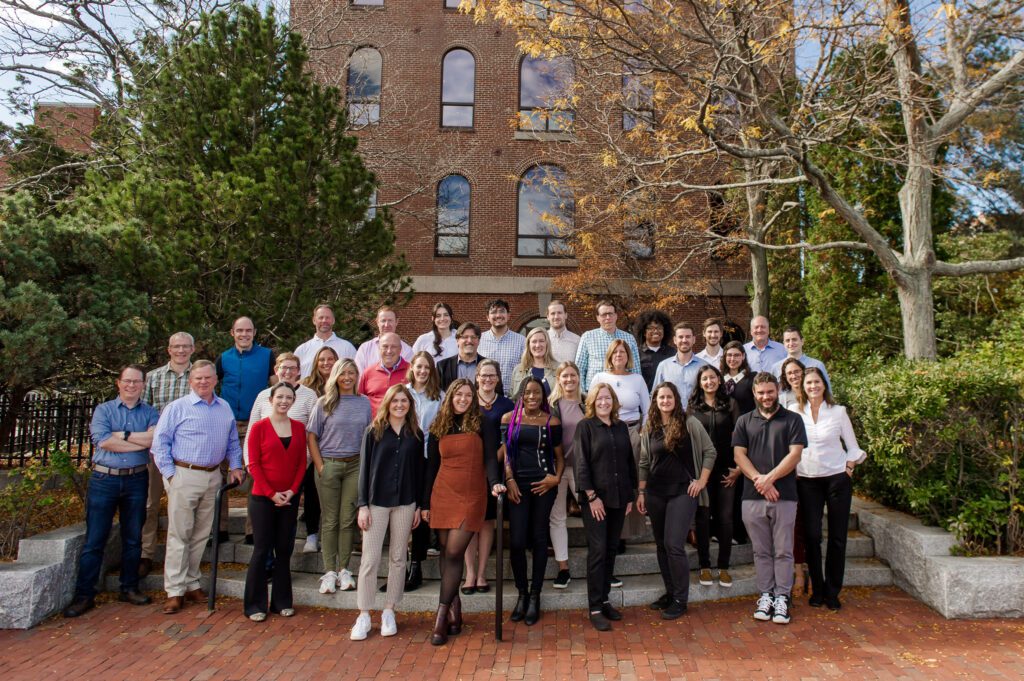
Massachusetts-based studioDSK is a practice of 37 people and was named Massachusetts Architectural Innovator of the Year 2025.
The practice describes itself as a human-centred practice, reflecting the diversity of the communities it serves and the world it aspires to shape. Its work spans advisory, planning, architecture and interiors, which anchor a broad range of practice areas, including residential, institutional, commercial and cultural projects.
Weekly engagement and firm-centric cultural initiatives enable a shared vision. Investing in the health of its people results in a culture where staff are united, supported and empowered.
The judges commended studioDSK for its culture in addition to its inclusivity policies, which include bi-weekly social and racial justice meetings that promote open conversation and continuous learning.
It also places representation of women and underrepresented identities at utmost importance, with involvement in high-profile projects to normalise gender and cultural diversity at senior levels.
The practice was one of the first 300 in the US to sign the AIA Healthy Materials Pledge. Its Sustainability Action Plan and Healthy Materials Guide are publicly available resources.
"At studioDSK perhaps the most noteworthy work was their JUST Label submission, which showed a maximum six per cent variance in pay across race, ethnicity and gender within each pay class," said Vigour-Robertson.
"This is exceptionally strong: many firms do not track this at their size, let alone publish it or achieve such tight equity. It demonstrates a level of intentionality and transparency that many organisations aspire to but rarely achieve."
Sybarite
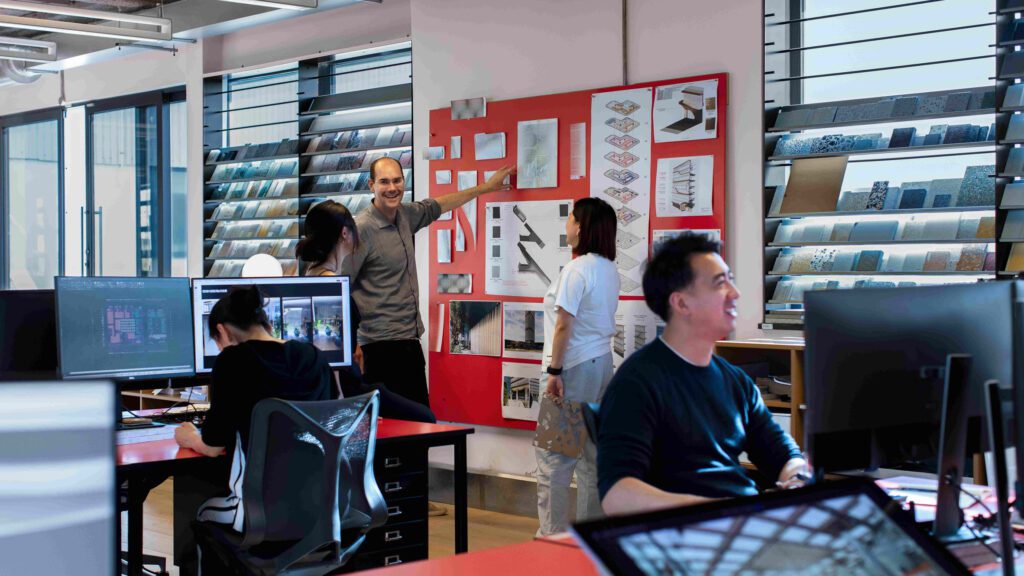
Architecture and design studio Sybarite has a team of almost 100 people and offices in London and Shanghai. Its values are centred around curiosity, collaboration and continuous learning, and it intends to shape the future of architecture, retail and experience-led environments.
Sybarite invests heavily in professional growth, with high staff retention. It offers structured development pathways, mentorship programmes and opportunities to work on landmark international projects.
The judges praised Sybarite's company culture in addition to its equality, diversity and inclusion policies. It intends to foster a workplace free from hierarchy and barriers through transparent processes, structured interviews and unbiased decision-making.
Its equality, diversity and inclusion strategy ensures all staff have equal access to training, promotion pathways and leadership opportunities. Annual reviews include structured career discussions to support diverse talent development.
The company also carries out annual internal reviews, monitoring gender representation, pay parity indicators and progression rates. It also tracks pay data to ensure gender pay gap fairness, conducting salary benchmarking and equity reviews each year.
Anti-bias training is provided for all employees, ensuring awareness and accountability across the practice. It also partners with early-career networks and diverse educational institutions, with the aim of broadening access to the design industry and creating pathways for underrepresented groups.
"I liked that the team works in the office five days a week to maximise collaboration, balanced by finishing at lunchtime on Fridays," said Urquhart. "The time is made up through slightly longer working days Monday through Thursday, so productivity isn't affected."